To choose a Korean sunscreen, look at two clues on the label: the SPF, which indicates protection against UVB, and the PA, which indicates protection against UVA (from PA+ to PA++++). Then choose the type of filters and the texture you will really enjoy wearing every day.
Why Korean sunscreens are so popular
Korean sun protection products are known for their light, non-greasy textures that are pleasant to wear every day: gels, fluids, sun serums, sticks, tinted versions that even out the complexion. A sunscreen you enjoy applying is one you actually use, and consistency is what counts.
Understanding the label: SPF and PA
- SPF (Sun Protection Factor): measures protection against UVB, which cause sunburn. SPF 50 is suitable for daily use in town as well as in the sun.
- PA (Protection Grade of UVA): an Asian scale that measures protection against UVA, linked to skin ageing. The more “+” signs, the higher the UVA protection: PA++++ is the highest level.
A mention such as “SPF50+ / PA++++” therefore indicates high protection against both UVB and UVA.
Mineral, chemical or hybrid filters
- Mineral filters (zinc oxide, titanium dioxide): they work on the surface. They are often chosen by sensitive skin, but can leave a white cast depending on the formula.
- Chemical (organic) filters : they absorb UV and generally give finer textures that are invisible on the skin.
- Hybrid formulas : they combine both types of filters for comfort and a natural finish.
There is no universal “best” choice: it depends on your skin, your sensitivity to ingredients and the texture you prefer.
Which texture to choose?
Sunscreen cream
Ideal for normal to dry skin, with a comfortable, hydrating finish.
Gel or fluid
Light and fresh, very popular with combination to oily skin.
Sun serum
An ultra-fine texture that blends into the routine and layers easily.
Sun stick
Handy for touch-ups during the day, including over makeup, and for areas such as the eye contour or ears.
Tinted or “tone-up” cream
It lightly evens out the complexion while protecting: a good compromise if you like to save time in the morning.
Our Korean sunscreen selections
-
Sun care
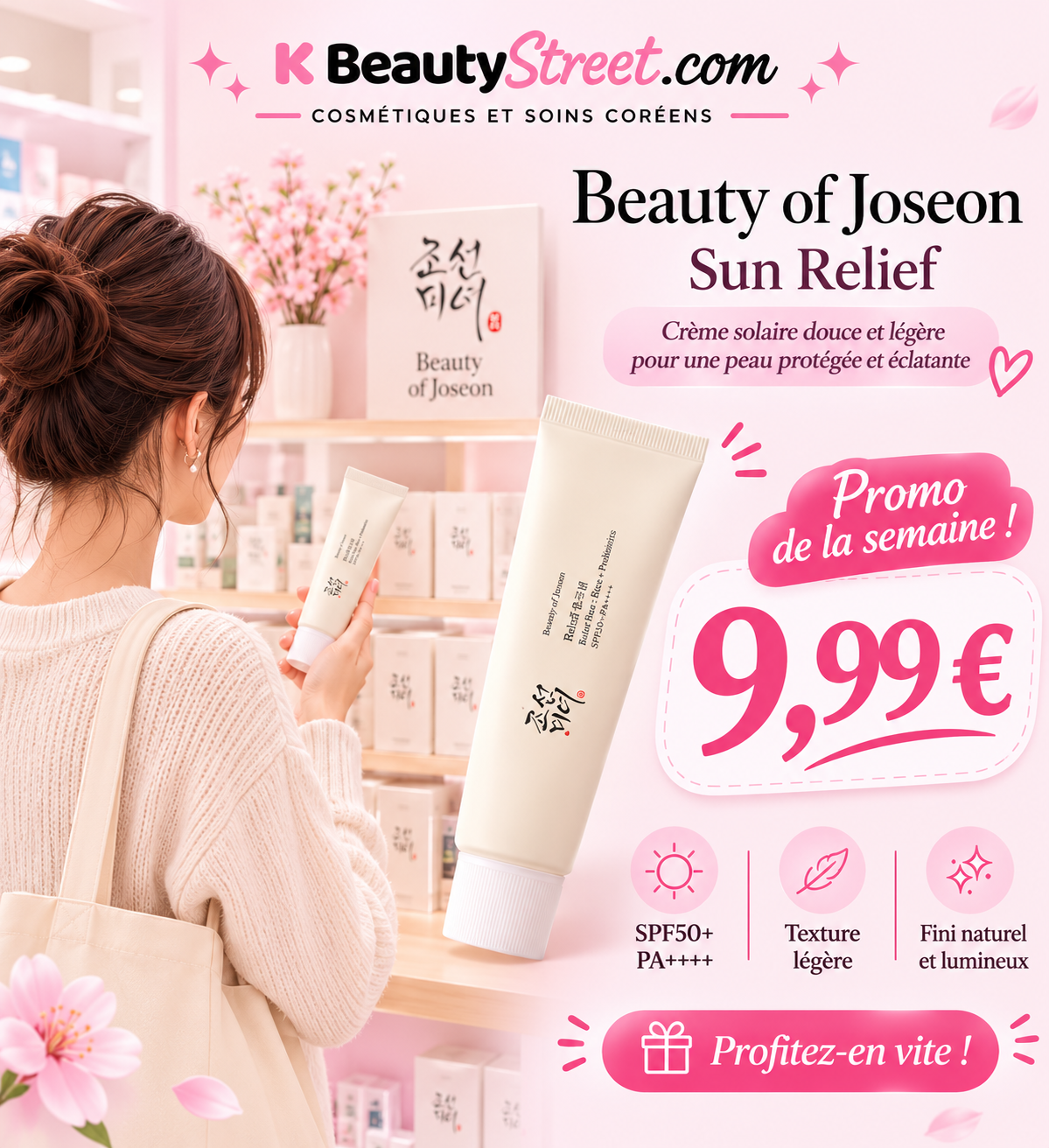
Beauty of Joseon Relief Sun Rice Probiotics SPF50+/PA++++ Rice Sunscreen 50ml
Original price was: 11,90 €.9,99 €Current price is: 9,99 €. Add to basket
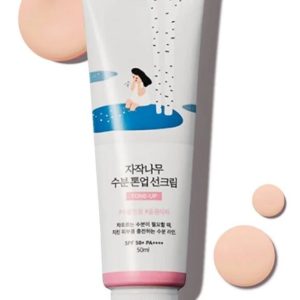
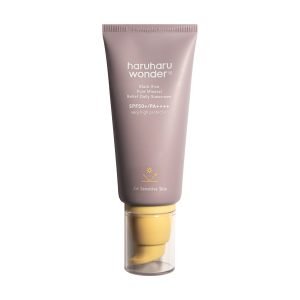
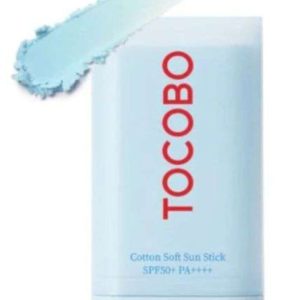
Find the full range in our Korean sunscreen page or directly in the category Sun care.
How to apply it well
- Apply sunscreen as the last step of the morning routine, after your moisturiser. Don't know the full routine yet? Read our Korean routine guide.
- Use a sufficient amount : about two fingers of product for the face and neck is commonly recommended. A layer that is too thin protects less than the stated SPF.
- Reapply every two hours during prolonged exposure, and after swimming or heavy sweating. The stick is handy for this.
- In the evening, remove it with an oil cleanser followed by a foaming cleanser (double cleansing).
The most common mistakes
- Only using it in summer or at the beach: UVA rays are present all year round and pass through glass.
- Applying too little product.
- Forgetting the ears, neck and eye contour.
- Not reapplying after prolonged exposure.
Frequently asked questions
SPF 30 or SPF 50: what's the difference?
SPF 50 offers slightly higher UVB protection than SPF 30, but the gap remains modest. What matters most is applying enough and reapplying.
Do you need sunscreen on grey days or indoors?
UVA rays are present even on cloudy days and pass through windows. Daily protection is therefore recommended, including in town.
Can you wear it under makeup?
Yes, as the last step of your routine, then let it set for a few minutes before applying makeup. A stick lets you touch up during the day.
Is it suitable for sensitive skin?
It depends on the formula and ingredients. If your skin is sensitive, test the product on a small area before first use and check the ingredient list.
Find your sun protection
All our Korean sunscreens are in the shop. Free delivery in France from €49.
This information is general and does not replace the advice of a healthcare professional. No sunscreen offers total protection: limit exposure during the sunniest hours.